 Skip to content
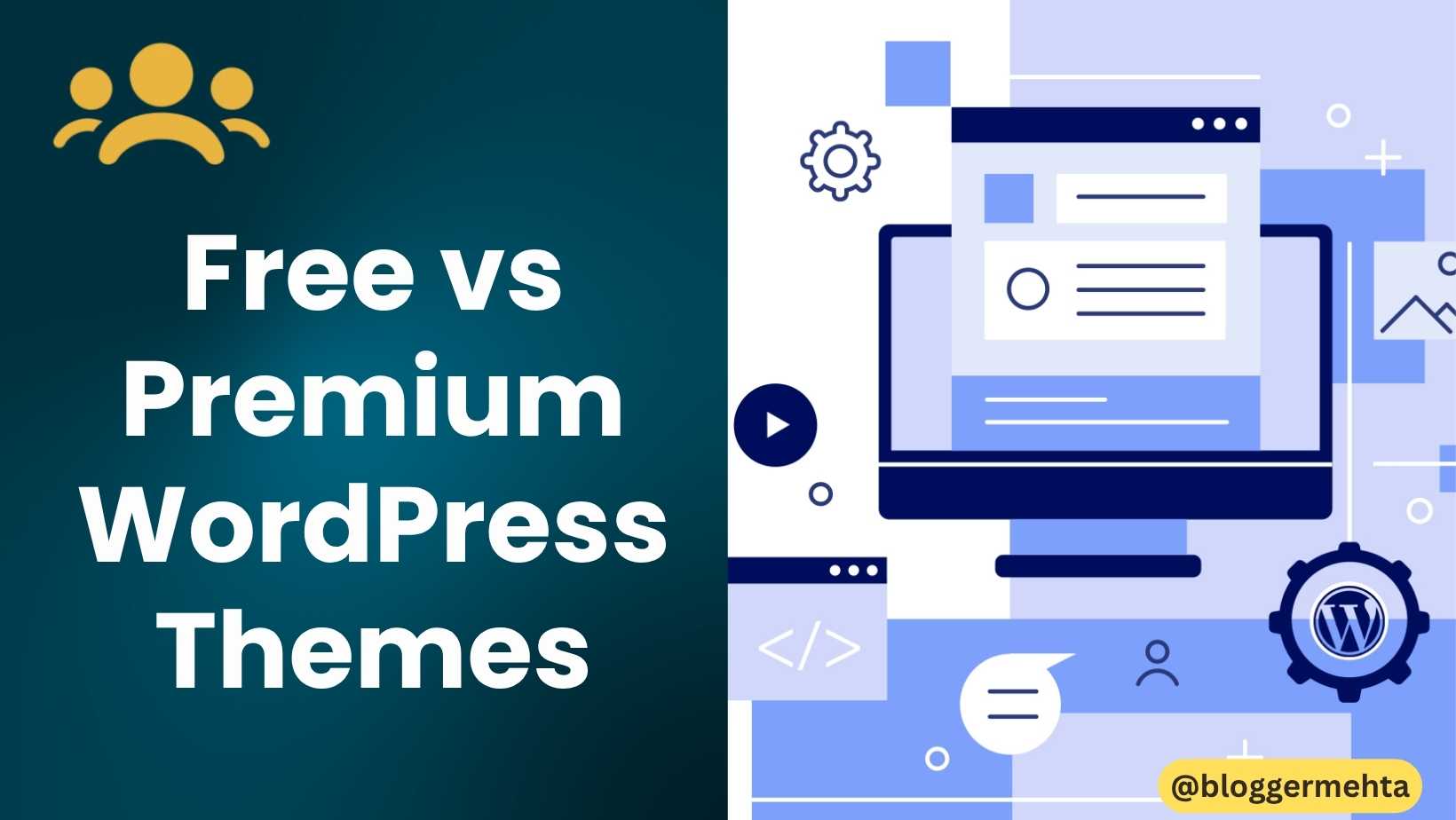
The WordPress ecosystem in 2025 is more vibrant and diverse than ever, offering thousands of themes for every conceivable need. The fundamental choice between a free and a premium WordPress Theme remains one of the most critical decisions for any website owner. While premium themes dazzle with AI-driven designs and deep integrations, free themes continue to be a powerful, zero-cost entry point.
This decision doesn’t have to be paralyzing. By understanding the modern pros, cons, and key differences, you can choose the perfect WordPress Theme for your project with confidence.
Pros of Free WordPress Themes
When we recommend free themes, we strictly refer to those vetted and available in the official WordPress.org Theme Directory. We strongly advise against downloading free themes from unverified third-party websites, as they are a common source of security vulnerabilities.
- Cost: It’s Free. The most significant advantage is undeniable. A free WordPress Theme eliminates the initial financial barrier, making it ideal for bloggers, students, and small businesses testing the waters.
- Rigorous Review & Security. Themes in the official directory undergo a stringent review process to ensure they meet high standards for code quality, security, and adherence to WordPress best practices. This provides a layer of trust that you won’t find with unvetted themes.
- Lightweight and Fast. Many free themes are built with a minimalist approach, leading to clean code and fast loading times—a crucial factor for user experience and SEO in 2025.
- Community Support. While formal support isn’t guaranteed, a popular free theme often has a large community. You can find solutions, tutorials, and help in WordPress support forums.
Cons of Free WordPress Themes
- Limited Support. Developers are not obligated to help you. Support is typically community-driven through forums, which can mean slower response times and no guaranteed solution for complex issues.
- Basic Features and Customization. Free themes often lack advanced features like built-in header/footer builders, complex mega-menus, or deep WooCommerce integrations. Customization options are typically limited to the WordPress Customizer with few choices.
- Common Design. Because they are free, popular themes are used on thousands of websites, making it harder to create a unique and branded online presence.
- Update Frequency and Longevity. There’s no guarantee of regular updates for new WordPress versions or security patches. The developer might abandon the theme, leaving you with a potentially insecure site in the future.
Pros of Premium WordPress Themes
Premium themes are sold by professional theme shops like Themify, Astra Pro, Kadence, and GeneratePress.
- Advanced Features and Functionality. A premium WordPress Theme in 2025 is often a powerhouse. Expect built-in page builders (or deep integration with Elementor/Beaver Builder), dynamic content capabilities, advanced typography controls, and sophisticated layout systems for headers, footers, and blog posts.
- Professional, Reliable Support. Your purchase includes direct access to the developer’s support team. This means timely, expert help for setup, customization, and troubleshooting, which is invaluable for business websites.
- Regular Updates and Compatibility. Premium theme developers provide consistent updates to ensure compatibility with the latest WordPress version, enhance security, and add new features. This future-proofs your investment.
- Unique and Professional Designs. Premium themes offer vast design libraries (starter templates) and extensive customization options, allowing you to create a truly unique website that stands out from the competition.
- SEO and Performance Optimized. Top-tier premium themes are built with performance and SEO best practices in mind, giving your site a solid foundation to rank well in search engines.
Cons of Premium WordPress Themes
- Cost. The obvious drawback is the initial investment, which can range from $50 to $200+ for a single theme license, often with annual renewal fees for continued support and updates.
- Feature Bloat. Some themes still pack in excessive features to justify their price, which can lead to slower website performance if you don’t need them. It’s crucial to choose a lean, well-coded theme.
- Complexity. The sheer number of options can be overwhelming for beginners, leading to a steeper learning curve compared to a simple free theme.
- Vendor Lock-in (The Modern Risk). Some premium themes use their own custom page builders and shortcodes. If you decide to switch themes later, you might lose your custom layouts and have to rebuild your content, a problem less common with block-based themes.
Free vs. Premium WordPress Theme: Key Differences at a Glance
| Feature | Free WordPress Theme | Premium WordPress Theme |
|---|---|---|
| Cost | $0 | One-time or annual fee ($50 – $200+) |
| Support | Community Forums (No Guarantee) | Priority, Direct Developer Support |
| Features | Basic | Advanced (Builders, Dynamic Data, etc.) |
| Customization | Limited Options | Extensive Controls & Layouts |
| Design Uniqueness | Low | High |
| Updates | Irregular, Not Guaranteed | Regular and Scheduled |
| Security | Vetted, but can be abandoned | Actively maintained |
| Performance | Often Lightweight | Can be heavy; choose reputable vendors |
Final Recommendation
Your choice ultimately depends on your goals, budget, and technical comfort.
- Choose a Free WordPress Theme if: You are a beginner, building a personal blog or a simple site, have a very tight budget, and are comfortable with limited design and self-reliance for support.
- Choose a Premium WordPress Theme if: You are running a business, an e-commerce store, or a content-heavy site where reliability, unique design, professional support, and scalability are non-negotiable.
Investing time in selecting the right WordPress Theme—whether free or premium—is one of the most important steps you’ll take in building a successful website.
FAQs: Choosing a WordPress Theme in 2025
Is a free WordPress Theme good enough for a professional business website?
For a very simple brochure site, a robust free theme can suffice. However, for most professional businesses, a premium WordPress Theme is recommended. The reliable support, advanced features, unique design, and regular security updates are critical for maintaining a professional, secure, and scalable online presence.
Can I start with a free WordPress Theme and upgrade to premium later?
Absolutely. This is a very common and smart strategy. Many premium theme companies, like Kadence and Astra, offer a free version with basic features. You can build your site and then upgrade to the pro version to unlock more powerful features without starting from scratch.
What should I look for in a premium WordPress Theme?
Prioritize:
Reputation: Buy from a well-known, reputable theme shop.
Performance: Check reviews and look for themes that score high on speed tests.
Support & Updates: Ensure they offer timely support and a history of regular updates.
Full Site Editing (FSE) Ready: In 2025, choosing a theme built for WordPress’s Block Editor (and ideally FSE) is more future-proof.
No Vendor Lock-in: Prefer themes that use standard WordPress blocks over proprietary page builders.
Are all premium WordPress Themes safe and well-coded?
Not necessarily. While most from reputable shops are excellent, some on low-cost marketplaces can be poorly coded. Always purchase from trusted sources like the WordPress.org commercial theme directory, Themify, or other highly-reviewed developers to ensure quality and security.
What is the biggest mistake people make when choosing a WordPress Theme?
The biggest mistake is choosing a theme based only on its visual demo without considering performance, code quality, and long-term support. A beautiful demo can hide a slow, bloated theme that will hurt your site’s performance and SEO.
Read in App ★ Free