 Skip to content
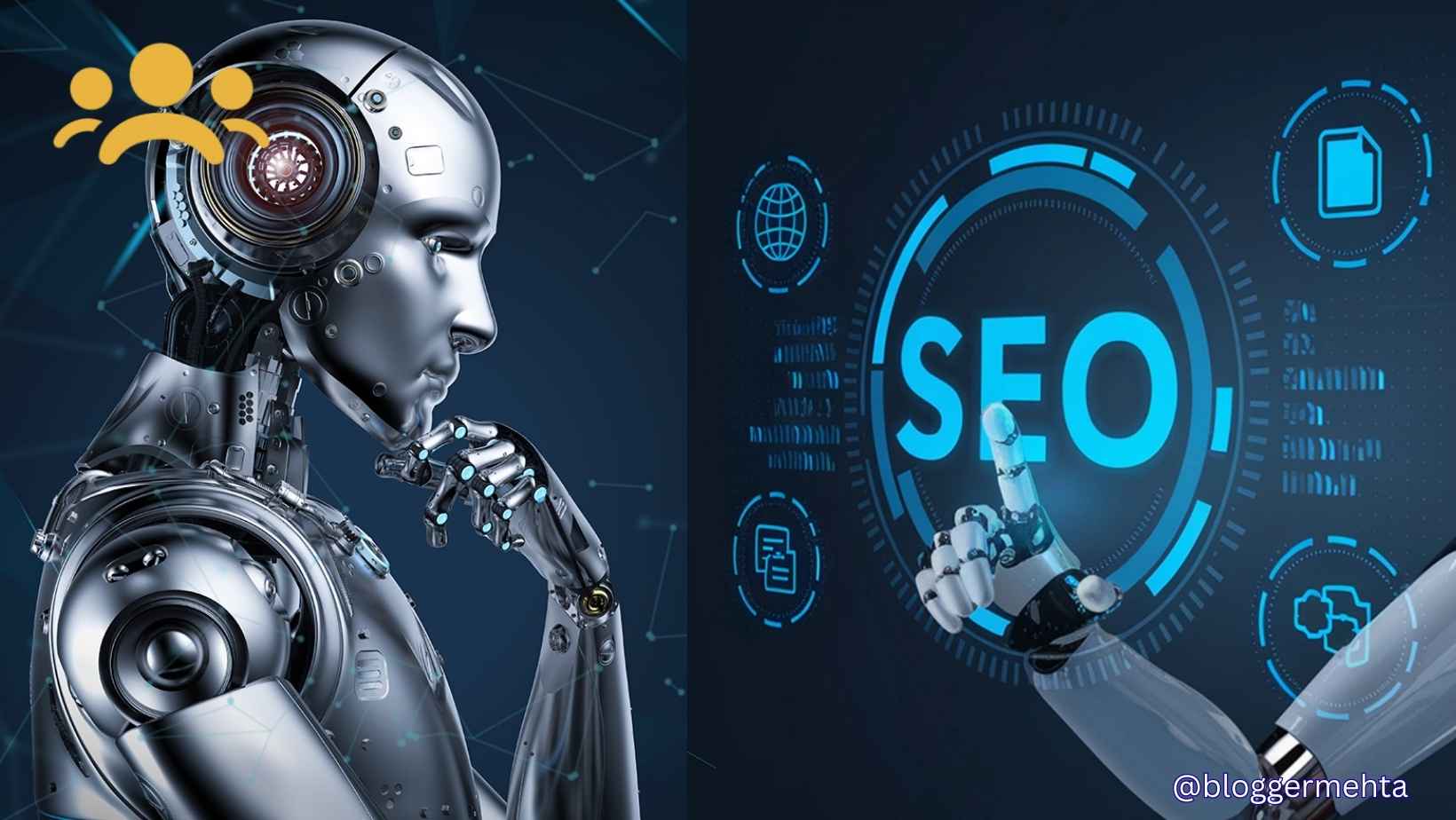
Search Engine Optimization (SEO) has always evolved with technology, but 2025 marks a historic shift. What started in 1998 as a method to rank on platforms like Google, Bing, and Yahoo has now become SEO Educating AI – a discipline centered on teaching artificial intelligence how to interpret, trust, and recommend brands.
By 2023, SEO was already defined as the art and science of persuading recommendation engines – from Google and Bing to ChatGPT, Perplexity, Siri, Alexa, and Copilot. Fast forward to today, and the definition has matured further:
SEO Educating AI is the art of engineering a brand’s digital ecosystem to teach AI assistive engines, ensuring your business becomes their most trusted and logical answer at every stage of the customer journey.
This transformation underscores an essential reality: in 2025, SEO is less about chasing rankings and more about educating AI-powered engines that shape user decisions through conversations.
Google: The Blueprint for AI Learning
While new platforms are emerging, Google remains the gold standard for understanding AI learning systems. It combines what experts call the algorithmic trinity:
- Search Index – constantly updated with the latest web data.
- Knowledge Graph – storing factual, structured information.
- Large Language Model (LLM) – enabling conversational interaction.
For AI, information is like a curriculum. Just as a child absorbs lessons from teachers, AI engines learn from a brand’s digital footprint. They analyze:
- What is current → search visibility.
- What is factual → verified knowledge.
- What is conversational → context in natural language.
Businesses must therefore design their “teaching plan” across conversation, knowledge, and timely information to ensure AI engines represent them correctly.
Building Clarity, Credibility, and Deliverability
Success in SEO Educating AI depends on three core pillars:
- Clarity (Understandability)
- Define who you are, what you offer, and who you serve.
- Avoid ambiguity; AI thrives on precision.
- Credibility (Trust & Authority)
- Showcase expertise, authority, and transparency.
- Align messaging across all platforms.
- Deliverability (Right Content, Right Time)
- Ensure content reaches the right audience when it matters most.
- Focus on multi-channel consistency.
These three factors build algorithmic trust, allowing AI systems to confidently recommend your brand.
The Conversational Acquisition Funnel
The shift toward AI-first discovery is also transforming the customer journey. Instead of a linear search process, users now rely on AI conversations that guide them through awareness, consideration, and decision-making stages.
- Top of Funnel (Awareness) → Clarity ensures visibility.
- Middle of Funnel (Consideration) → Credibility drives trust.
- Bottom of Funnel (Decision) → Consistency ensures AI recommends your brand as the best choice.
This framework proves why SEO Educating AI is no longer just about clicks but about conversational trust-building.
The New Role of SEO Professionals
Google’s June 2025 Knowledge Graph update highlighted clarity as a priority. This has redefined the job of SEO professionals. Instead of trying to “game the system,” modern SEO experts act as AI educators:
- Designing structured, trustworthy content ecosystems.
- Aligning messaging across web, social, and knowledge platforms.
- Ensuring AI can understand, validate, and confidently recommend their brand.
This shift presents the biggest opportunity since Google’s rise in the 2000s. Brands that embrace education over manipulation will dominate AI-driven recommendations for years to come.
Final Thoughts
In 2025, SEO is no longer just about rankings – it’s about SEO Educating AI. Businesses that commit to teaching AI engines with clarity, credibility, and consistency will earn algorithmic trust and become the go-to recommendation in AI-driven conversations worldwide.
Those that adapt now will not only future-proof their visibility but also establish themselves as the most trusted voices in the era of intelligent search.
Read in App ★ Free


