 Skip to content
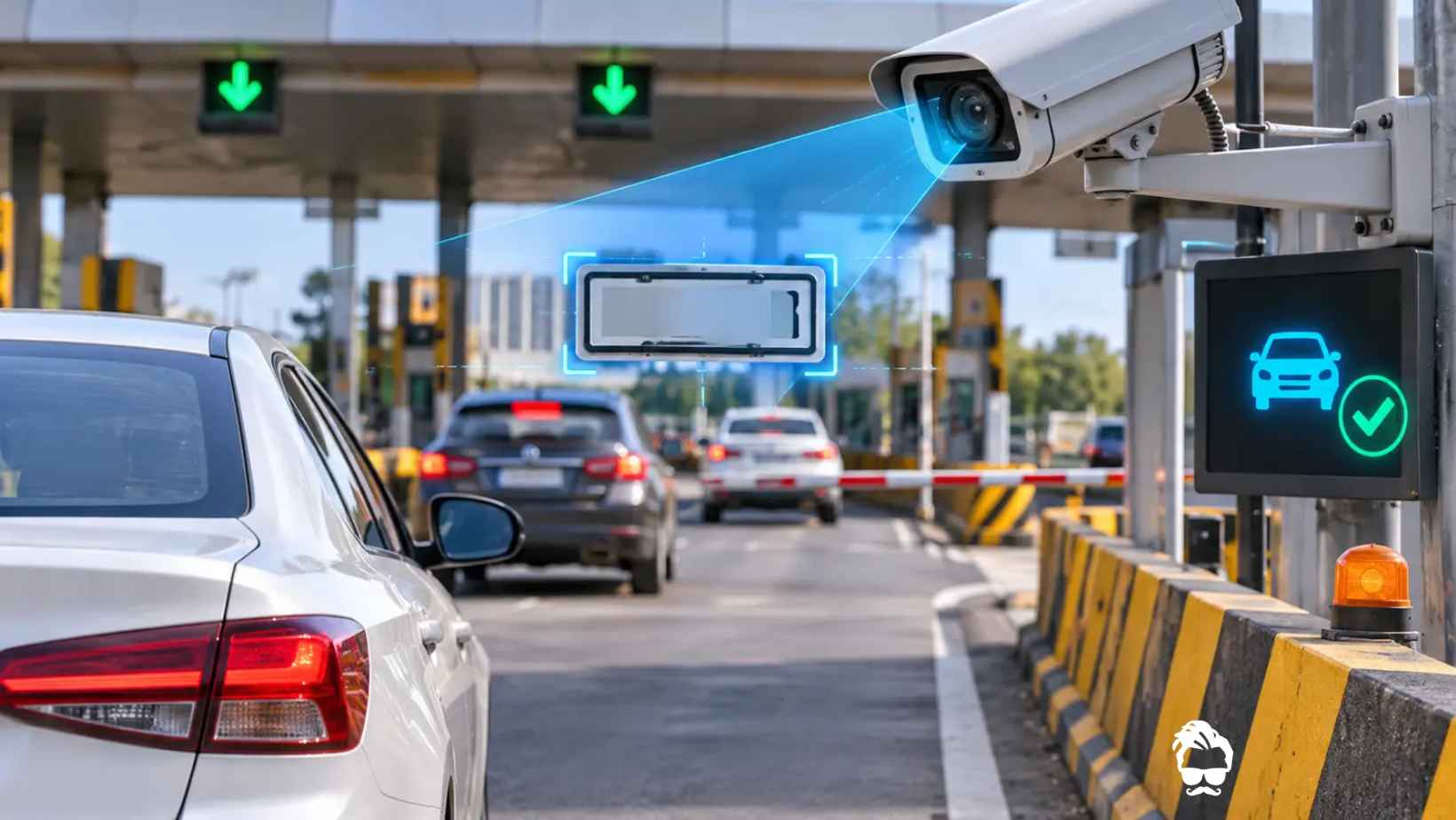
Driving on highways may involve more than just monitoring by traffic police. Digital systems can also help authorities identify vehicles that are operating without valid documents.
One such technology is the eDetection system, a digital vehicle verification mechanism that can be used at toll plazas to identify vehicles and check the validity of their documents.
The system uses vehicle information captured at toll plazas and matches the registration number against government vehicle records, including the VAHAN database. It can help identify whether essential documents such as motor insurance, Pollution Under Control (PUC) certificates, fitness certificates and commercial vehicle permits are valid.

The primary objective is to identify vehicles that do not comply with mandatory documentation requirements and improve enforcement of road transport regulations.
How Does eDetection Check Vehicles at Toll Plazas?
The eDetection process involves number plate recognition, database verification and identification of possible violations. Here’s how it works step by step.
1. Vehicle Number Plate Recognition
When a vehicle passes through a toll plaza, cameras capture images of its registration plate. Number plate recognition technology helps identify the vehicle registration number from the captured image.

This process can take place without requiring every vehicle to stop for manual document inspection.
2. Matching Vehicle Details With Government Records
After identifying the registration number, the system checks the relevant vehicle information against government databases, including VAHAN records.
These records help retrieve details associated with the registered vehicle.

3. Verification of Important Vehicle Documents
The system can check the validity status of documents associated with the vehicle. These may include insurance, PUC certificates, fitness certificates and permits.
4. Identification of Possible Violations
If a required document has expired or the available records indicate a compliance issue, the system can flag the vehicle for further action.
5. e-Challan Action by Authorities
When a violation is identified, the relevant transport or enforcement authority may take action under applicable traffic rules. This can include issuing an electronic challan, depending on the nature of the violation and the applicable enforcement process.
Which Vehicle Documents Can Be Checked Through eDetection?
The eDetection system can help authorities verify several important vehicle documents and compliance records.
| Document | What Is Checked? |
|---|---|
| Motor Insurance | Whether the vehicle’s insurance policy is valid or expired |
| PUC Certificate | Whether the vehicle has a valid Pollution Under Control certificate |
| Fitness Certificate | Whether the vehicle meets the required fitness standards, particularly for commercial vehicles |
| Vehicle Permit | Whether commercial vehicles have the necessary permits |
| Road Tax | Whether applicable vehicle tax records are up to date |
Vehicle owners should ensure that all applicable documents remain valid, particularly before undertaking long highway journeys.
Can You Get an e-Challan Directly at a Toll Plaza?
Not necessarily. The eDetection system is primarily used to identify vehicles and flag possible document-related violations. It does not mean that a vehicle must be stopped at the toll plaza for a challan to be issued.
After a potential violation is identified, the relevant department can examine the available information and take action according to applicable rules and procedures.
In some cases, vehicle owners may receive information about an issued e-challan through an SMS notification on their registered mobile number.
However, the exact enforcement process can vary depending on the authority, the type of violation and the system being used.
How to Check Your Vehicle’s Pending e-Challan Online
Vehicle owners can check their pending traffic challans through the government’s official eChallan portal.
Follow these steps:
- Visit the official website: https://echallan.parivahan.nic.in/
- Select the option to check challan details.
- Enter your vehicle registration number.
- Complete the captcha verification displayed on the screen.
- Submit the details to view the available challan information.
- If a pending challan appears, check its details and use the available payment option if required.
Always verify that you are using the official government portal before entering vehicle details or making a payment.
How Can Vehicle Owners Avoid Document-Related Challans?
To reduce the risk of document-related violations, vehicle owners should regularly check the validity of their vehicle records.
Here are some important precautions:
- Renew motor insurance on time: Do not drive with an expired insurance policy.
- Keep your PUC certificate valid: Renew the pollution certificate as required.
- Check fitness certification: Commercial vehicle owners should ensure their fitness certificates are current.
- Maintain valid permits: Make sure commercial vehicles have the necessary permits for their operations.
- Pay applicable road tax: Check whether all required vehicle taxes have been paid.
- Verify e-challan records: Regularly check the official portal for pending challans.
Why Is eDetection Important for Road Safety?
Digital vehicle verification can reduce dependence on manual document checks and help authorities identify vehicles with potential compliance issues.
By connecting toll plaza information with government vehicle records, such systems can support more efficient monitoring of vehicle documentation and enforcement of transport regulations.
For vehicle owners, the key takeaway is simple: keep your insurance, PUC, fitness certificate and permits valid. Checking these documents before travelling can help prevent avoidable compliance problems and make highway journeys smoother.
Note: The availability of eDetection and the documents or records checked may vary by state, toll plaza and enforcement authority. A flagged record does not necessarily mean an automatic challan has been issued; the applicable authority and legal process determine further action.
Read in App ★ Free