 Skip to content
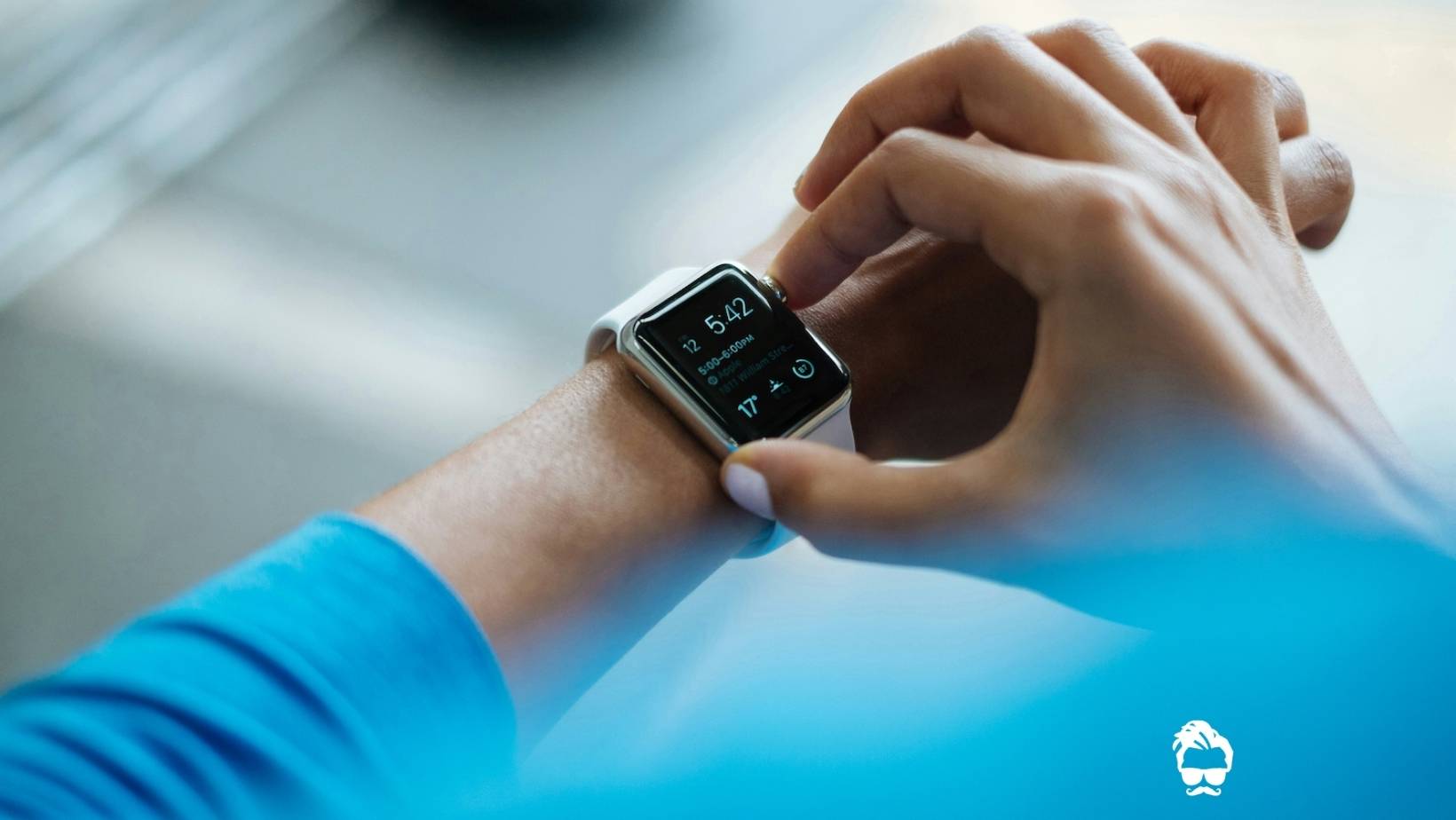
Wearable technology has evolved far beyond simple pedometers. What once counted only daily steps has transformed into intelligent health companions capable of monitoring multiple aspects of physical and mental well-being.
Today’s smartwatches and fitness trackers can continuously measure heart rate, blood oxygen (SpO₂), sleep quality, stress levels, calorie burn, workout performance, and daily activity. These devices provide users with real-time health insights that were previously available only through specialized medical equipment or clinical assessments.
As health awareness continues to grow, wearable technology is becoming an essential tool for people who want to improve fitness, sleep better, reduce stress, and adopt healthier lifestyles.
Why Wearable Health Technology Is Becoming So Popular
The biggest advantage of wearable devices is convenience. Instead of manually tracking workouts or guessing how well you slept, modern wearables automatically collect and analyze health data throughout the day.
Popular smartwatches such as the Mibro GS Explorer S and Mibro GS Pro 2 demonstrate how wearable technology has become more accurate, user-friendly, and accessible for everyday users.
Whether you’re a beginner starting your fitness journey or an experienced athlete training for competition, wearable devices simplify health monitoring without requiring technical expertise.
Real-Time Health Monitoring
One of the most valuable features of wearable technology is continuous health tracking.
Modern fitness watches can monitor:
- Heart rate throughout the day
- Blood oxygen (SpO₂)
- Stress levels
- Respiratory patterns
- Calories burned
- Daily activity
- Workout intensity
Continuous monitoring helps users understand how their bodies respond to exercise, stress, recovery, and everyday activities.
For example, noticing an unusually high resting heart rate may encourage someone to improve sleep, reduce stress, or consult a healthcare professional if appropriate.
It’s important to remember that wearable devices are wellness tools and should not replace professional medical diagnosis or treatment.
Encouraging a More Active Lifestyle
Many people spend most of their day sitting at desks or using digital devices. Wearables help combat sedentary lifestyles by encouraging regular movement.
Common activity features include:
- Step counting
- Standing reminders
- Movement alerts
- Daily activity goals
- Calorie tracking
These small reminders often motivate users to:
- Walk more frequently
- Take the stairs
- Stretch during work
- Complete scheduled workouts
This creates long-term healthy habits through consistent daily activity.
Smarter Workout Tracking
Today’s smartwatches support dozens of sports and fitness activities, including:
- Running
- Walking
- Cycling
- Swimming
- Hiking
- Strength training
- Yoga
- HIIT workouts
Detailed workout analytics allow users to monitor performance, track progress, and optimize training over time.
For athletes, heart rate zones and recovery metrics provide valuable guidance for improving performance while reducing the risk of overtraining.
Better Sleep Means Better Health
Sleep is one of the most important pillars of overall wellness, yet millions of people struggle to get enough quality rest.
Wearable devices help users understand sleep by tracking:
- Total sleep duration
- Light sleep
- Deep sleep
- REM sleep
- Sleep interruptions
- Overall sleep quality
Reviewing this data allows users to identify habits that negatively affect recovery, such as:
- Late-night screen time
- Irregular bedtime schedules
- High caffeine intake
- Elevated stress
Small lifestyle changes based on these insights can significantly improve energy, mood, and productivity.
Supporting Mental Well-Being
Modern wearable technology is increasingly focusing on mental wellness.
Many devices now include features such as:
- Stress monitoring
- Guided breathing exercises
- Mindfulness reminders
- Relaxation sessions
Although wearables cannot diagnose mental health conditions, they can encourage healthier daily routines and greater awareness of stress levels.
For many users, simple prompts to pause, breathe deeply, or take a short walk can make a meaningful difference throughout a busy day.
Also Read: Now Chat on WhatsApp with Username Instead of Number
Personalized Health Goals
No two people have identical health goals.
Wearable devices allow users to customize objectives based on their lifestyle, including:
- Daily step targets
- Weekly exercise goals
- Calorie burn
- Active minutes
- Sleep duration
- Weight management
Personalized tracking makes health improvement feel achievable by measuring progress against individual goals rather than generic standards.
Building Long-Term Healthy Habits
Consistency remains one of the biggest challenges in fitness.
Wearables help maintain motivation through:
- Achievement badges
- Daily reminders
- Progress reports
- Weekly summaries
- Activity streaks
- Goal celebrations
Visualizing progress over weeks and months encourages users to continue making healthy choices rather than abandoning their routines.
Also Read: Become an MX TakaTak Creator: Eligibility, Tips & Monetization Guide
Wearables for Outdoor Adventures
Outdoor enthusiasts also benefit significantly from wearable technology.
Devices such as the Mibro GS Explorer S are designed for users who enjoy:
- Hiking
- Trail running
- Trekking
- Cycling
- Outdoor fitness
Durable construction, multiple sports modes, and advanced health monitoring make these devices reliable companions for active lifestyles.
Similarly, the Mibro GS Pro 2 combines premium design with comprehensive wellness features, offering a balanced solution for everyday users seeking both style and functionality.
The Future of Wearable Health Technology
Wearable devices continue to evolve rapidly.
Future innovations are expected to include:
- AI-powered health coaching
- More accurate biometric sensors
- Longer battery life
- Advanced predictive health insights
- Better integration with healthcare providers
- Enhanced chronic disease monitoring
While wearables will not replace doctors or medical professionals, they are becoming increasingly valuable tools for preventive healthcare and early wellness monitoring.
Final Thoughts
Wearable technology is reshaping the way people approach health, fitness, and overall well-being. By providing real-time insights into heart rate, sleep, stress, activity, and recovery, smartwatches empower users to make informed lifestyle decisions every day.
Modern devices like the Mibro GS Explorer S and Mibro GS Pro 2 demonstrate how wearable technology has evolved into a practical wellness companion that supports healthier habits through personalized data and continuous monitoring.
As artificial intelligence and sensor technology continue to advance, wearable devices will play an even greater role in preventive healthcare, helping millions of people live healthier, more active, and better-informed lives.
Read in App ★ Free